On this page 10 sections
- What is data driven decision making?
- 1. Netflix: recommendations built on viewing behaviour
- 2. Amazon: forecasting demand for millions of products
- 3. Starbucks: a loyalty programme that powers personal offers
- 4. Walmart: placing stock with past data and predictions
- 5. GE Aerospace: finding maintenance needs earlier
- The five examples side by side
- Sprite Genix Insights
- Conclusion
- FAQs
In short
Data driven decision making means choosing with evidence and then checking the result. Netflix, Amazon, Starbucks, Walmart and GE Aerospace use it for recommendations, demand forecasts, personal offers, stock placement and maintenance. A small business can start with one question, a record of every enquiry source and a short weekly review.
Data driven decision making means you look at what your numbers say before you decide, and you check the result afterwards. Large companies do this with big teams and custom systems. The habit itself is simple, and a small business can copy it. Below are five well known examples. For each one we link to what the company itself has published, so you can check every claim.
What is data driven decision making?

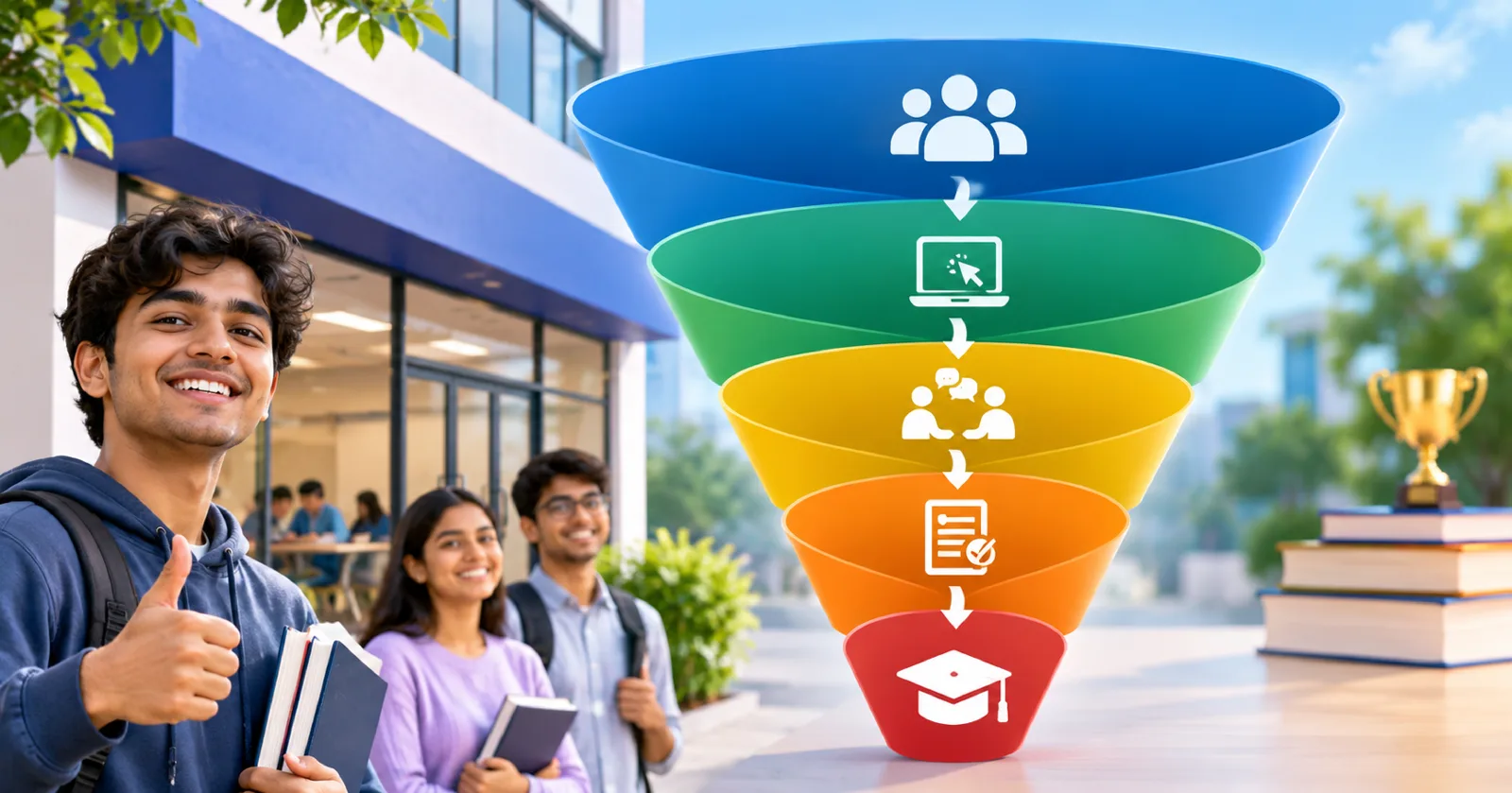
It is a way of working with three steps:
- Decide which question you want to answer.
- Collect the data that answers that question, and nothing more.
- Act on it, then measure whether the action worked.
The five companies below follow these steps at a very large scale.
1. Netflix: recommendations built on viewing behaviour
Netflix explains its own system in a public help article, How Netflix's Recommendations System Works. According to that page, the system estimates what you may enjoy from your interactions with the service, such as your viewing history and how you rated other titles, and from the viewing of other members with similar tastes. It also looks at the time of day, your devices and how long you watched. The same page states that the system does not use demographic information such as age or gender.
What a small business can learn
- Behaviour tells you more than assumptions. What a customer did is a better guide than who you think they are.
- Use the data you already have: past purchases, enquiries and replies.
2. Amazon: forecasting demand for millions of products
Amazon's research site describes how its demand forecasting has changed over the years in The history of Amazon's forecasting algorithm, published on 9 August 2021. The article says Amazon sells more than 400 million products in over 185 countries, and that the forecasting team moved from many separate models to a single unified model, passing through random forests and neural networks on the way.
What a small business can learn
- Forecasting starts with clean sales history. Even a simple month by month sheet shows your busy and quiet periods.
- Improve in steps. Amazon did not build its current system in one attempt.
3. Starbucks: a loyalty programme that powers personal offers
Starbucks runs one of the largest loyalty programmes in retail. In a press release about its loyalty programme dated 29 January 2026, the company reported 35.5 million active members in the United States and spoke of its ability to deliver a personalized experience at scale. Members order and pay through the app, so Starbucks can see what each member buys and how often, and can shape offers around that.
What a small business can learn
- A loyalty list is a data source. A phone number and a purchase history are enough to start.
- Ask for consent, tell customers what you will send, and make it easy to opt out.

4. Walmart: placing stock with past data and predictions
Walmart Global Tech described its inventory planning in an article on its AI powered inventory system, dated 25 October 2023. It says the company pairs historical data with predictive analytics to place holiday stock, and that its inventory systems connect 4,700 stores with fulfilment centres, distribution centres and suppliers. One detail is useful for any business: the system can be told to "forget" one time events, so that an unusual week does not distort next year's plan.
What a small business can learn
- Mark unusual periods in your records, such as a lockdown, a strike or a one time bulk order, and leave them out of your averages.
- Share numbers with suppliers so they can plan with you.
5. GE Aerospace: finding maintenance needs earlier
The original version of this article spoke of General Electric. The company has since been split, and its aircraft engine business is now GE Aerospace. In its artificial intelligence fact sheet, GE Aerospace describes round the clock engine safety and health monitoring supported by AI. The fact sheet reports 60% faster identification of preventative maintenance needs with AI, and says an AI tool that predicts the parts needed for engine shop visits months ahead has cut turnaround times by 5 to 7 days. These are the company's own figures.
What a small business can learn
- Watch early signals. For a service business, the early signal may be a drop in replies, repeat orders or attendance.
- Acting before a failure costs less than repairing after it.
The five examples side by side
| Company | Decision | Data used |
|---|---|---|
| Netflix | What to recommend | Viewing history and similar members |
| Amazon | How much stock to hold | Sales history across products |
| Starbucks | Which offer to send | Loyalty and app orders |
| Walmart | Where to place stock | Past sales and predictions |
| GE Aerospace | When to maintain an engine | Engine monitoring data |
Sprite Genix Insights
Most small and mid sized businesses in India, such as coaching institutes, clinics and local service firms, do not have a data team. They do not need one to begin. This is the order we suggest:
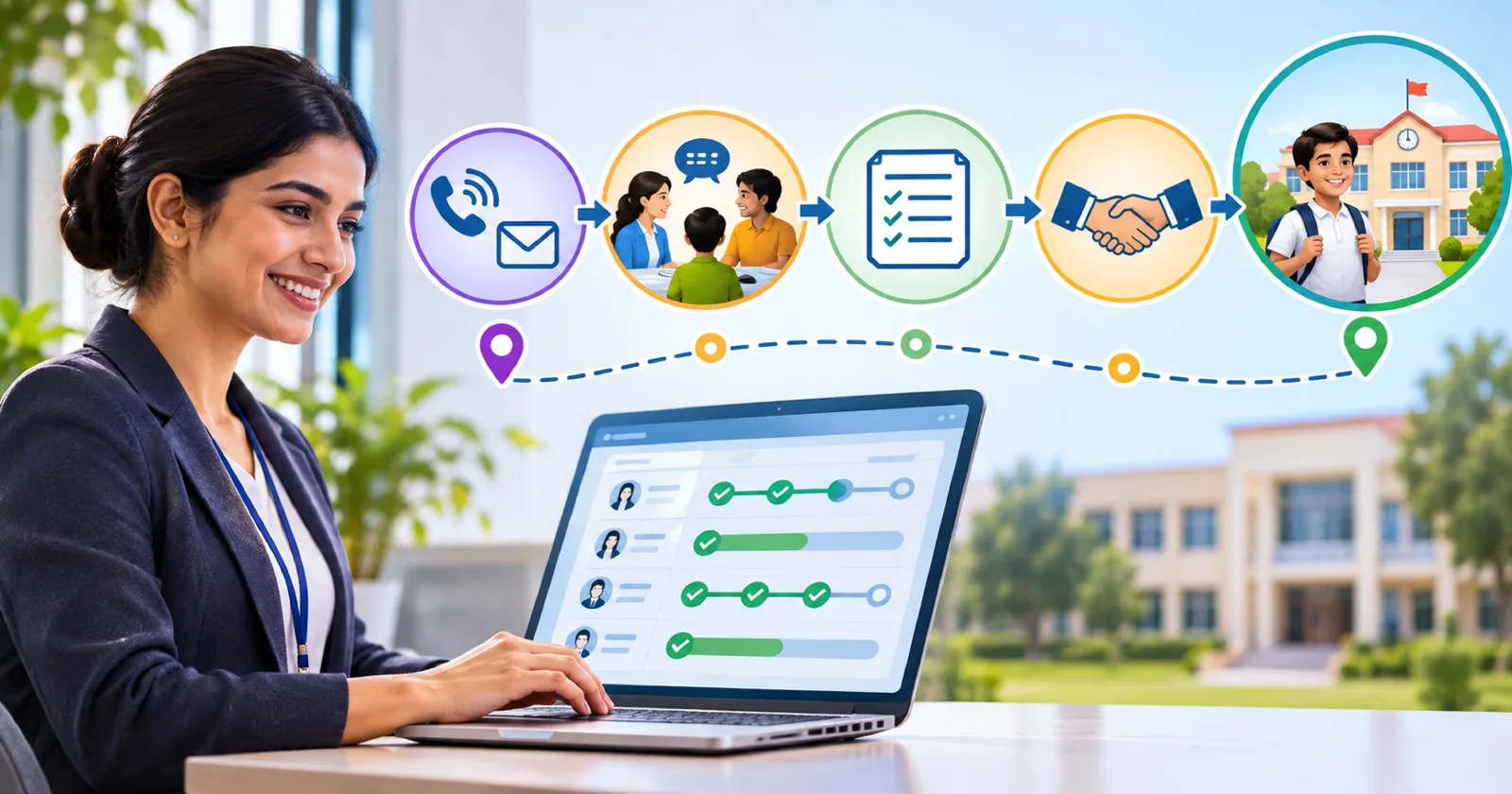
- Pick one decision. For example: which marketing channel should get more budget next month?
- Record the source of every enquiry. Without the source, no report can answer that question.
- Follow each enquiry to the sale. Count customers or admissions by source, not only enquiries.
- Review once a week. Fifteen minutes with the same five numbers is better than a long report once a year.
- Change one thing at a time. If you change the ad, the page and the offer together, you will not know what worked.
Two cautions from our side. First, small numbers mislead. If a channel brought four enquiries, do not judge it yet. Second, collect only the personal data you need and take consent, because India's Digital Personal Data Protection Act sets rules for how a business handles personal data.
If you want to go deeper, read our posts on data analytics for startups and how AI is changing data analytics for business decisions. Our Genix One CRM keeps the enquiry source, stage and follow ups in one place, which is the base for every report described above.
Conclusion
These companies are very different, but the habit is the same: decide with evidence, then check the result. You can start this week with one question, one sheet and one weekly review. If you would like help setting up tracking and reports for your business, talk to the Sprite Genix team.